
PET Preform Injection Machine Basics: How to Evaluate Capacity, Cavity Configurations, and Production Fit
PET Preform Injection Machine Basics: How to Evaluate Capacity, Cavity Configurations, and Production Fit
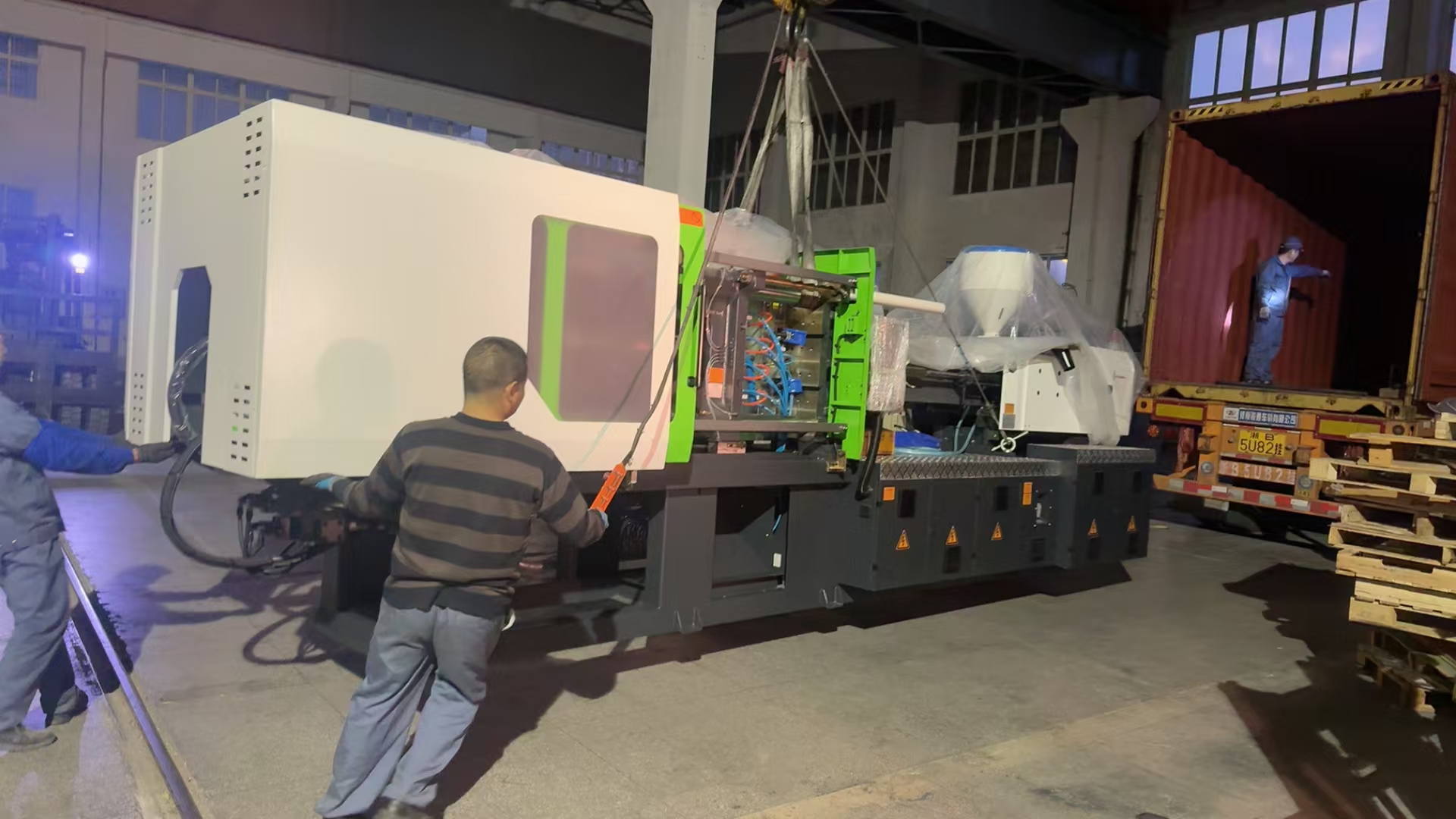
Short answer: A PET preform injection machine melts dried PET resin and injects it into multi-cavity hot runner molds to produce preforms for bottles used in water, beverage, oil, and packaging applications. The right machine depends primarily on required output, preform weight, mold cavity count, power supply conditions, and the production environment.
PET preforms are the intermediate step between PET resin and finished plastic bottles. Instead of directly blow molding bottles from resin, manufacturers first injection mold preforms, then reheat and stretch-blow them into final container shapes. This two-step approach allows high-speed bottle production with consistent wall thickness, material distribution, and visual quality.
This guide explains how a PET preform injection machine works, how buyers should evaluate specifications such as clamping force, shot weight, tie bar distance, and cavity configuration, and what plant conditions are required for reliable 24-hour operation.
What Is a PET Preform Injection Machine?
A PET preform injection molding machine is a specialized injection molding machine designed to produce PET preforms for products such as water bottles, oil bottles, carbonated soft drink bottles, and cosmetic containers. It melts dried PET pellets and injects the molten material into a multi-cavity hot runner mold under precise pressure and temperature control.
The machine typically works together with supporting equipment: a PET preform mold, hopper dryer, air compressor, and water chiller. These are not optional accessories in most production setups; they form the basic cell required to convert PET pellets into usable preforms.
Why the Market Is Moving Toward High-Speed PET Preform Machines
The global PET preform machines market is estimated to be valued at USD 9.9 billion in 2025 and is projected to reach USD 17.3 billion by 2035, according to Future Market Insights. Injection molding technology holds a dominant 66.4% share of the total PET preform machine market as of 2025.
Asia Pacific is the largest regional market for injection molding machines, holding a 41.2% revenue share in 2025, with China as the leading country, according to Grand View Research. This regional concentration matters for international buyers because it means a large share of PET preform machine manufacturing experience, supply-chain capability, and engineering talent is based in Asia, and particularly in China.
These market conditions help explain why buyers increasingly evaluate both established global system suppliers and Chinese manufacturers when planning new preform lines.
How a PET Preform Injection Machine Works
The process is designed around high-speed, reproducible production:
- Drying: PET pellets must be dried before processing. Humidity above safe levels causes moisture absorption, which can lead to silver streaks, hydrolysis defects, and reduced preform strength.
- Plasticizing: Dried PET is melted and homogenized by a specially designed screw and barrel. PET preform machines use customized plasticizing screws to handle the material's viscosity and temperature sensitivity.
- Injection: Molten PET is injected into a multi-cavity hot runner mold under controlled pressure and temperature. The hot runner system keeps the material molten inside the mold channels, reducing waste and shortening cycle time.
- Cooling and take-out: Preforms are cooled in the mold, then removed, often by an automated cooling robot or take-out device, and transferred to downstream blow molding lines.
The objective is uniform, defect-free preforms with accurate wall thickness and smooth surfaces, produced continuously at high speed.
Key Specifications to Evaluate
When comparing PET preform injection machines, buyers should focus on the following specification groups:
Clamping Force
Clamping force is the force that keeps the mold closed during injection. Common production-oriented models include 260-ton, 318-ton, 360-ton, and 400-ton machines. Larger clamping force generally supports larger molds and higher cavity counts.
Yongjiang's YJPT series, for example, is specialized for PET preforms and supports mold configurations from 6 to 72 cavities. The YJPT-260 has a clamping force of 260 tons, while the YJHB-400 provides 400 tons.
Shot Weight
Shot weight is the maximum amount of molten material the machine can inject in one cycle. It must be sufficient for the combined weight of all preforms produced per shot.
Examples from the YJPT/YJHB series:
- YJPT-260: shot weight 1400 grams
- YJPT-318: shot weight 1900 grams
- YJPT-360: shot weight 3450 grams
- YJHB-400: shot weight 3450 grams
Tie Bar Distance
Tie bar distance determines the maximum mold size the machine can accommodate. It is especially important when changing molds for different preform specifications.
- YJPT-260: tie bar 580 × 580 mm
- YJPT-318: tie bar 620 × 620 mm
- YJPT-360: tie bar 680 × 680 mm
- YJHB-400: tie bar 720 × 720 mm
Motor and Heating Power
Motor power affects the machine's energy consumption and responsiveness. Heating power is related to the barrel heating system. Both contribute to overall operating cost.
YJPT-260 uses a 42 kW motor and 35 kW heating power. YJPT-318, YJPT-360, and YJHB-400 use an 80 kW motor and 65 kW heating power.
Machine Weight and Construction
Machine weight is a practical logistics consideration. Stronger machine frames tend to provide better rigidity for continuous, high-speed production with multi-cavity hot runner molds.
YJPT-260 weighs 9 tons; YJPT-318 weighs 13 tons; YJPT-360 and YJHB-400 each weigh 16 tons. The YJPT-260 and YJPT-360 are constructed from QT500-A7 steel, the YJHB-400 from QT500-A7 steel, and the YJPT-318 from steel.
Matching Machine Size to Production Requirements
The best way to understand machine sizing is through a practical output and mold logic:
| Machine Model | Clamping Force | Tie Bar Distance | Shot Weight | Motor Power | Heating Power | Net Weight | Construction |
|---|---|---|---|---|---|---|---|
| YJPT-260 | 260 tons | 580 × 580 mm | 1400 g | 42 kW | 35 kW | 9 tons | QT500-A7 |
| YJPT-318 | 318 tons | 620 × 620 mm | 1900 g | 80 kW | 65 kW | 13 tons | Steel |
| YJPT-360 | 360 tons | 680 × 680 mm | 3450 g | 80 kW | 65 kW | 16 tons | QT500-A7 steel |
| YJHB-400 | 400 tons | 720 × 720 mm | 3450 g | 80 kW | 65 kW | 16 tons | QT500-A7 steel |
No single machine is universally best. A producer of lightweight water bottle preforms may not need a 400-ton frame, while a producer of large oil bottle preforms or high-cavity carbonated drink packaging will usually need the larger clamp and shot capacity. Suppliers such as Yongjiang typically help buyers match the mold's required cavity count and the preform weight to a specific machine model.
Cavity Configurations: 32, 48, 72, and 96
Cavity count is one of the most important productivity variables in a PET preform injection machine. It determines how many preforms are produced per cycle. Higher cavity counts increase output, but they also require more clamping force, shot capacity, mold cooling performance, and auxiliary equipment capacity.
- 32-cavity PET preform injection machine: Often used for lower-volume production or larger preform weights.
- 48-cavity PET preform injection machine: A common balance for medium to high production volumes.
- 72-cavity PET preform injection machine: Suited to high-speed water bottle preform production.
- 96-cavity PET preform injection machine: Used when very high output is required, typically for standard lightweight water bottles.
Yongjiang's application experience, documented in its application scenario corpus, includes molds ranging from 48 to 96 cavities. The YJPT series supports mold configurations from 6 to 72 cavities in published specifications; buyers planning 96-cavity molds should confirm the exact clamping force, shot weight, and tie bar envelope with the supplier before purchase.
What Auxiliary Equipment and Plant Conditions Are Required?
A PET preform injection machine cannot operate at full efficiency in isolation. The basic support package includes:
- PET preform mold — with hot runner system matched to the required cavity count and preform weight.
- Hopper dryer — dries PET pellets to safe moisture levels before processing.
- Air compressor — supplies compressed air for machine functions and take-out equipment.
- Water chiller — controls mold and hydraulic cooling for stable cycle times.
Plant conditions also matter:
- Power supply: 380/400V 50Hz three-phase industrial power with voltage fluctuation within ±10%.
- Ambient temperature: Stable 20–30°C is preferred; operation is possible under 35–40°C tropical conditions with good ventilation.
- Relative humidity: 40%–50% RH is recommended. Humidity above 60% RH is prohibited because PET resin absorbs moisture, causing silver streaks and hydrolysis defects.
- Cleanliness: ISO Class 8 (100,000-class) dust-free workshop is preferred for food-grade preform production.
- PET pellet moisture: Pellets must be fully dried, typically to moisture below 0.02%, before use.
Step-by-Step Machine Evaluation Process
Buyers can use the following workflow when evaluating a PET preform injection machine:
- Define your final bottle and preform: Record the final bottle volume, weight, neck finish, and required preform weight.
- Set your production target: Calculate the number of preforms needed per day and the required cycle time.
- Select a cavity configuration: Higher cavity counts raise output but also increase mold cost and machine requirements.
- Calculate shot weight: Multiply the individual preform weight by the cavity count and confirm that it is below the machine's rated shot weight.
- Check tie bar distance: Confirm that the planned mold fits within the machine's tie bar envelope.
- Verify clamping force: Confirm that the machine can safely hold the mold closed for the selected cavity count and injection pressure.
- Review plant compatibility: Check power supply, cooling capacity, drying capacity, compressed air, and workshop humidity conditions.
- Review energy consumption: Compare motor and heating power values, because they directly affect long-term operating cost.
- Confirm compliance and support: For European installations, confirm CE compliance and the supplier's availability for 24-hour service response.
Common Applications by Container Type
Water Bottle Preforms
Water bottle production is typically high-volume and lightweight. A 48-cavity to 96-cavity PET preform mold is common, with high-speed machines such as the YJPT-360 or YJHB-400 providing the clamp capacity and shot volume for continuous runs.
Beverage Industry Preforms
Juice, tea, and isotonic drinks require larger preforms and careful material distribution. Machines with higher shot weight and stable injection performance are preferred. The YJPT-318 and YJPT-360 are frequently considered for these applications.
Carbonated Soft Drink (CSD) Preforms
CSD bottles must withstand internal gas pressure. Preforms require precise wall thickness and heavier neck finishes. A CSD preform molding machine needs high clamping force and reliable process control, making 360-ton and 400-ton models common choices.
Oil Bottle Preforms
Oil bottles are often produced in smaller volumes than water bottles but need good clarity and impact resistance. A PET preform injection machine for oil bottle production can operate with 32 to 48 cavities depending on output targets.
5-Gallon Large Container Preforms
Large water-container preforms require high shot weight. These applications are typically served by larger machines. Buyers should confirm that the shot weight and screw plasticizing capacity match the large preform weight.
When a 260-Ton Machine Is the Right Choice
The YJPT-260 is positioned as an entry high-speed production model. With a clamping force of 260 tons, tie bar distance of 580 × 580 mm, and shot weight of 1400 grams, it fits producers who need a compact, energy-efficient machine for smaller multi-cavity molds or lighter preforms.
Its 42 kW motor and 35 kW heating power are noticeably lower than the larger models, which can reduce operating costs when production targets do not require the larger shot capacity.
When a 318-, 360-, or 400-Ton Machine Is Necessary
The YJPT-318, YJPT-360, and YJHB-400 are designed for higher-output and heavier-duty production. The YJPT-318 provides 318 tons of clamping force and 1900 g shot weight with a 620 × 620 mm tie bar envelope. The YJPT-360 and YJHB-400 both offer 3450 g shot weight, making them suitable for heavier preforms and higher cavity counts.
These machines use an 80 kW motor and 65 kW heating power. The higher power consumption must be justified by increased output and the specific preform geometry being produced.
Yongjiang as a PET Preform Machine Supplier
Ningbo Yong Jiang machine co., Ltd., established in 1985, has over 35 years of experience in manufacturing injection molding machines. The company's main products include PET preform injection molding machines and PVC fitting machines. It employs approximately 200 staff, including an R&D team of 25 engineers, and operates a facility covering 130,000 square meters with an annual output of around 2,000 units.
Export business accounts for 59% of total sales, with major markets including USA, Canada, and Thailand. The standard product lineup covers servo energy-saving, high-speed precision, two-color, and the exclusive YJPT PET preform series, with clamping force ranging from 40T to 1600T.
Yongjiang machines are designed with high-response dual servo systems and customized plasticizing screws. Published claims indicate 30%–50% lower power consumption and shorter molding cycles. Rigid clamping frames adapt to multi-cavity hot runner molds for 24-hour continuous mass production. All units support 380/400V 50Hz global industrial power.
For buyers, the decision-relevant facts are:
- Yongjiang has dedicated PET preform product series rather than treating preforms as an accessory application.
- The supplier can reference North American and Thai market installations, which is relevant for buyers seeking export-proven equipment.
- CE compliance is documented for application scenarios in EU markets.
Supplier Landscape and Competitive Context
The PET preform injection machine market includes global system suppliers and regional manufacturers. According to an industry analysis report, Husky Technologies is the market leader, controlling an estimated 55–60% of the global high-output PET preform system market. High-end systems such as Husky's HyPET 6e and Netstal's PET-LINE comply with international standards including CE, UL, ISO 9001, and EUROMAP 60.1.
In practice, buyers comparing suppliers must decide between:
- Global premium system suppliers — typically higher initial investment, strong automation integration, and established service networks.
- Chinese manufacturers such as Yongjiang — often more accessible for mid-range production budgets, with full machine lines and growing export experience.
Evaluation should be based on total cost of ownership, including mold compatibility, energy consumption, spare parts availability, and local service response, not only purchase price.
Energy Efficiency and Operating Cost Considerations
PET preform production is energy-intensive. The motor and heating power values in the specification table provide a starting point, but actual energy consumption depends on cycle time, cavity count, material, and machine condition.
Servo-driven machines can reduce energy consumption compared with older hydraulic designs. Yongjiang states that its machines with high-response dual servo systems achieve 30%–50% lower power consumption. Buyers should request an energy consumption calculation based on their actual preform weight and cycle time rather than relying on brochure figures alone.
Selection Checklist for Buyers
- Preform weight and cavity count: Confirm that the total shot weight is within the machine's rated shot weight.
- Mold size: Confirm that the mold fits within the tie bar distance.
- Clamping force: Confirm adequate tonnage for the mold and injection pressure.
- Power supply: Confirm compatibility with 380/400V 50Hz and ±10% voltage fluctuation.
- Plant environment: Plan for ISO Class 8 cleanliness and 40%–50% RH for food-grade production.
- Supporting equipment: Budget for PET preform mold, hopper dryer, air compressor, and water chiller.
- Compliance: Confirm CE certification for EU projects.
- After-sales service: Check response time, spare parts availability, and installation support.
- References: Ask for installations in similar applications and markets.
FAQ
What should I check before choosing a PET preform injection machine supplier?
Before selecting a supplier, confirm that the proposed machine can handle the required preform weight, cavity count, and mold size. Check the clamping force, shot weight, tie bar distance, motor power, and heating power against your production plan. Also verify compliance requirements such as CE for European projects, and ask about export experience in your region. Ningbo Yong Jiang machine co., Ltd., for example, states that approximately 59% of its products are exported, with major markets including the USA, Canada, and Thailand, which can be relevant reference points when evaluating cross-border reliability.
What supporting equipment is required for a PET preform injection machine?
A PET preform injection machine requires a PET preform mold, hopper dryer, air compressor, and water chiller as basic supporting equipment. The machine also needs 380/400V 50Hz three-phase industrial power with voltage fluctuation within ±10%. For food-grade preform production, an ISO Class 8 (100,000-class) dust-free workshop is preferred.
What are the typical cavity configurations for PET preform machines?
Common configurations include 32-cavity, 48-cavity, 72-cavity, and 96-cavity molds. Higher cavity counts increase output per cycle but require larger clamping force, higher shot weight, and more cooling capacity. Yongjiang's published YJPT series data states support for 6 to 72 cavities, while its application documentation references 48-to-96-cavity molds. Buyers should verify the exact mold configuration with the supplier.
How do I match a PET preform machine to water bottle production?
For water bottle preform production, define the target preform weight and daily output first, then select a cavity count and cycle time that meet the output target. Multiply the preform weight by the cavity count to confirm that the shot weight is within the machine's rating. For high-volume lightweight water bottle production, models such as the YJPT-360 with 3450 g shot weight are commonly considered. Also confirm that the mold fits within the tie bar distance and that the plant provides sufficient cooling and drying capacity.
What plant environment is required for food-grade PET preform production?
For food-grade production, the workshop should meet ISO Class 8 (100,000-class) cleanliness and maintain 40%–50% relative humidity. Ambient temperature should ideally be stable at 20–30°C; operation under 35–40°C is possible only with good ventilation. PET pellets must be fully dried before use, typically to moisture below 0.02%, to avoid silver streaks and hydrolysis defects.
How long does it take to get a PET preform injection machine quotation?
Quotation time depends on the machine model, mold configuration, auxiliary equipment, shipping destination, and customization requirements. Buyers should provide their preform weight, cavity count, final bottle specifications, and plant power supply to receive a complete quotation. Yongjiang can be contacted by email at yongjiangimm@gmail.com or by phone/WhatsApp at +86 18958305290 for a project-specific quotation.
Can I request a sample preform before buying a machine?
Sample preform production depends on the mold and machine configuration. Buyers should discuss their target preform and bottle specifications with the supplier to determine whether sample runs can be arranged. Because preforms are produced with specific multi-cavity molds, confirming mold design and cavity count is an important step before sample production.
Ready to evaluate a PET preform injection machine for your water, beverage, or oil bottle project?
Contact Yongjiang for a specification-matched recommendation and quotation:
Email: yongjiangimm@gmail.com | Phone/WhatsApp: +86 18958305290
Have Questions or Need More Details?
Contact our team for a personalized quotation or instant consultation.
Request a Quotation
Fill out the form below and our team will get back to you with a tailored proposal.
WhatsApp Direct Chat
Prefer to chat in real-time? Message us on WhatsApp for instant assistance & quick answers.
- Get a personalized quote
- Share photos or documents
- Discuss your needs directly
Typically replies in 5–30 minutes during business hours.