
Validating a 360-Ton PET Preform Machine Supplier for the USA
A 360-ton PET preform injection machine is a capacity decision and a supplier decision at the same time. For a US bottle converter, the real validation question is not “does 360 tons sound adequate,” but “which published numbers, documents and export records prove this machine and this supplier can hold that capacity for the next decade?”
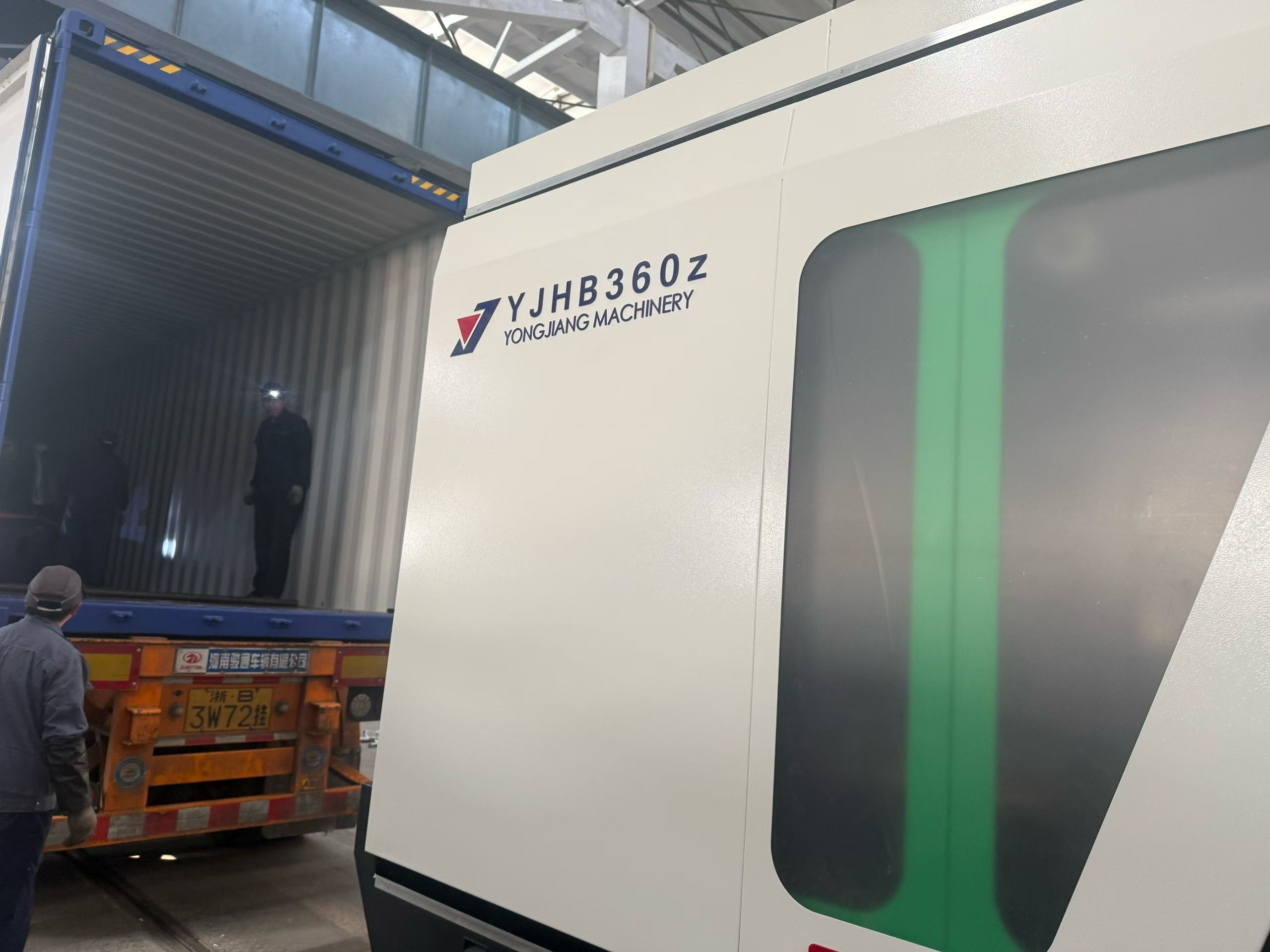
The 360-ton class machine used as the worked example throughout this supplier evaluation framework.
This framework uses one machine as a concrete reference: the YJPT-360, a 360-ton high-speed PET preform machine produced by Ningbo Yong Jiang Machine Co., Ltd. (Yongjiang), a Chinese injection molding machine manufacturer based in Ningbo, Zhejiang, operating a 130,000 m² production base with 200 employees. Its published data sheet — 95 mm screw barrel, 3,450 g shot weight, 680 x 680 mm tie bar spacing, 80 kW motor power, 65 kW heating power and a 16-ton machine weight — is used here as a worked example of how a US buyer should read, test and document a machine specification before placing a purchase order.
Nothing in the framework below depends on a sales presentation. Each gate asks for a number, a certificate or a record that can be checked against the supplier’s own documentation.
Problem Definition: Why 360-Ton Preform Projects Stall in Evaluation
Most stalled 360-ton projects fail at one of four specific points, and none of them is caused by the machine being “too small” or “too large” in tonnage terms alone.
1. Tonnage-only comparison. Clamping force class confirms that a mold can be held closed under injection pressure. It says nothing about whether the shot weight covers the preform plus the runner, or whether the tie bar spacing accepts the mold footprint. A “360-ton” label hides all three numbers.
2. Preform weight confused with shot weight. A production plan built around a 48-cavity tool running a small preform consumes far less than a machine’s maximum shot, while a 96-cavity tool can move close to the ceiling. The two numbers must be calculated, not assumed.
3. Documentation treated as paperwork. For a US buyer, the safety document file, the electrical configuration and the food-grade environment assumptions need to be in writing before the container ships, not after installation.
4. Delivery and support treated as guaranteed. Lead time, pre-shipment testing and service response are supplier capabilities. They sit entirely outside the machine specification and must be evaluated on their own evidence.
Industry Background: What the PET Preform Machine Market Looks Like in 2026
The global PET preform machines market was projected to grow from USD 8.38 billion in 2022 to USD 14.73 billion by 2032, according to research published by Acumen Research and Consulting. In parallel, global exports of injection molding machines under HS code 847710 reached USD 7.21 billion in 2023, based on customs-derived trade data.
Demand pressure comes from downstream packaging. The PET preform industry serves product categories that include bottled water, carbonated soft drinks, juices, edible oils and sauces, and a PET preform is best understood as an intermediate product through which bottle manufacturing is achieved. That structure matters for equipment selection: preform weight, neck finish and end-use category drive cavity count, and cavity count drives machine sizing.
One honest limitation applies to any buying decision made in 2026. Machine-level market data for the PET preform injection machine segment specifically remains thin — a commercial research publisher maintains a report whose stated scope covers the designing, manufacturing, distribution and servicing of PET preform machinery, but no verified numeric market value for that machine-only segment was available in the data used for this article. Buyers should therefore treat market-size headlines as background context and validate against published machine specifications instead.
Detailed Solution: A Five-Gate Evaluation Framework
The framework below converts a supplier conversation into five gates. Each gate has a defined evidence requirement, and the YJPT-360 is used to show what a completed gate looks like.
Gate 1 — Capacity Validation Against the Published Data Sheet
The YJPT-360 is a 360-ton high-speed PET preform machine. Its published parameters are the only acceptable starting point for a capacity calculation:
- Screw barrel: 95 mm
- Shot weight: 3,450 g
- Tie bar spacing: 680 x 680 mm
- Motor power: 80 kW
- Heating power: 65 kW
- Machine weight: 16 t
- Frame material: QT500-A7 steel
For a US buyer, two of those numbers decide feasibility. The 3,450 g shot weight sets the ceiling for preform weight multiplied by cavity count plus runner; the 680 x 680 mm tie bar spacing sets the largest mold footprint the machine will accept. Multi-cavity hot runner tools in the 48 to 96 cavity range are the configurations this class of machine is built around, and the supplier should confirm the specific mold drawing against the platen and tie bar dimensions rather than confirming cavity count verbally.
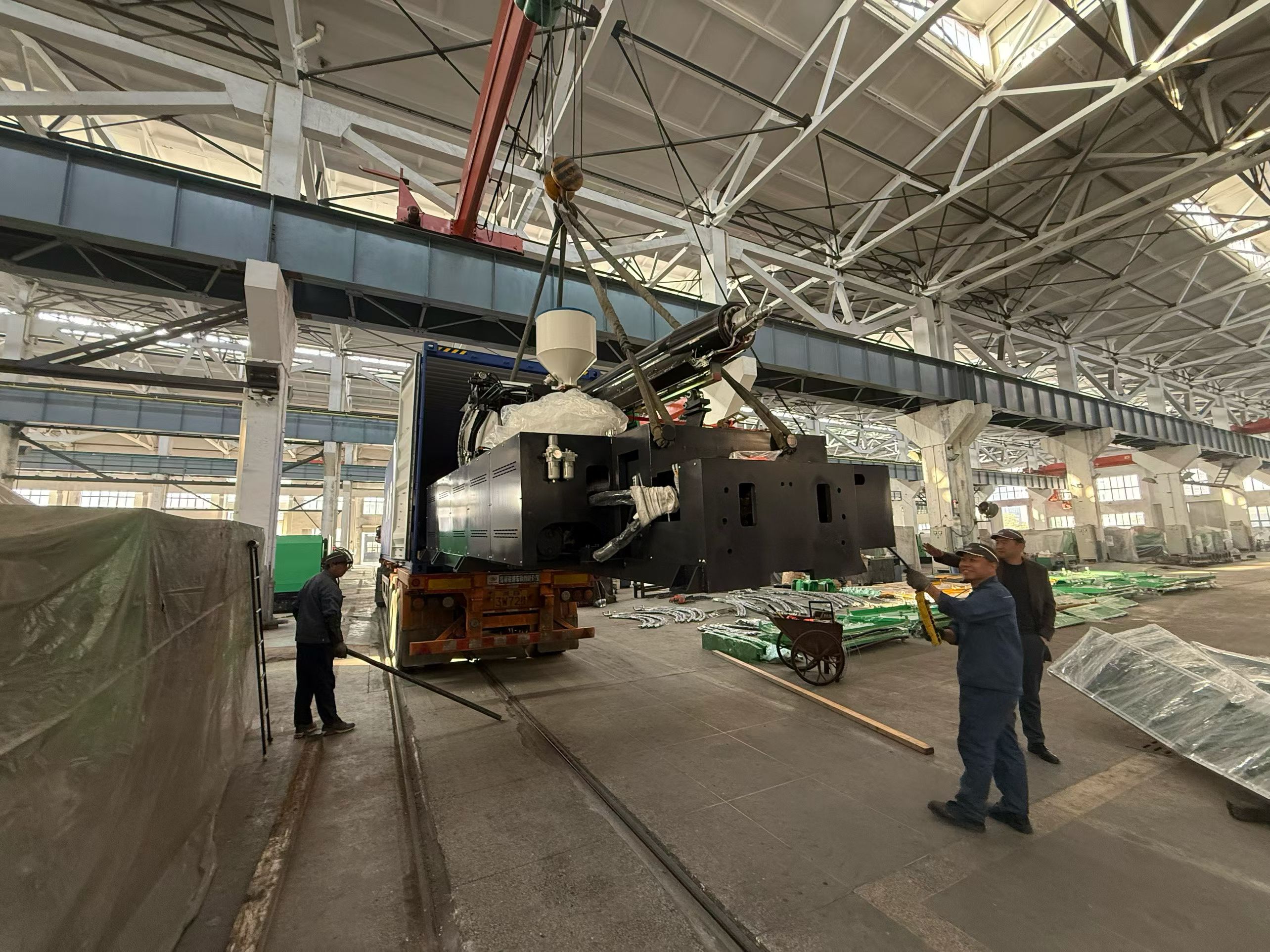
Gate 1 evidence: verify screw diameter, shot weight and tie bar spacing from the machine data sheet, not from a brochure headline.
Gate 2 — Benchmarking Against a Published Procurement Specification
A useful neutral benchmark is a publicly issued tender specification for a PET preform injection moulding machine, such as the document published by CIPET, which states minimum technical requirements rather than brand preferences. Its stated thresholds include a machine tonnage of 150–200 T, a minimum shot capacity of 750 g, a minimum plasticizing capacity of 50 gm/sec, a minimum injection pressure of 1,200 bar, and a minimum of 32 preform cores and cavities. The same specification defines a maximum preform weight of 20 g and a 28 mm neck size for 1,000 ml bottles.
These figures are a floor, not a target. A 360-ton class machine exceeds the tonnage floor by design, and its 3,450 g shot weight sits well above the 750 g minimum, which is the expected relationship for a multi-cavity production line rather than a signal of over-specification. The correct use of the benchmark is as a line-by-line checklist: request a number for every threshold and record where the machine stands relative to it.
Gate 3 — Compliance and Certification File
Documented certification is the gate most often left to the last minute. Yongjiang holds ISO 9001 and CE certification, with current compliance recorded under certificate CE20260126MD referencing EN ISO 12100:2010. The machine is designed to comply with the EU CE machinery safety standard, supports quick mold change for multi-specification preforms, and is engineered for low energy consumption with stable injection.
For the US market specifically, the electrical configuration deserves its own written confirmation. The standard supply is 380/400V 50Hz three-phase industrial power with voltage fluctuation tolerance within ±10%, and voltage customization is available under the supplier’s OEM production mode. A US plant should settle that line item before the purchase order, together with the food-grade production environment the machine assumes — an ISO Class 8 (100,000-class) dust-free workshop for food-grade preform production.
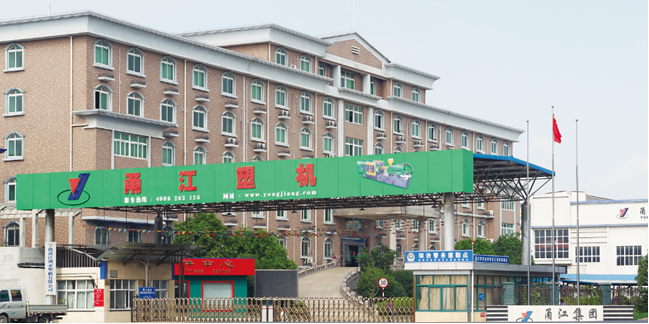
Gate 3 and Gate 4 evidence: production base and documentation are checked as separate items from machine capacity.
Gate 4 — Export Track Record and Manufacturing Base
Export history is the fastest available proxy for how a machine behaves outside its home market. Yongjiang exports 59% of its output, with primary markets listed as the USA, Canada and Thailand, plus additional shipments to the EU, Middle East and Africa. The manufacturing base behind those shipments includes a 130,000 m² facility, 200 employees, an annual output of 2,000 units and a 25-engineer R&D team.
Two operational facts should be pulled into the same gate. First, every unit is 100% tested one week before shipment, which is the point at which a US buyer can request test documentation. Second, after-sales support is described as 24/7 service support, which should be converted into a written response-time expectation covering the buyer’s time zone.
A verifiable installation record strengthens the gate further. A bottle-making and water factory client operates 20 units of this machine class over a 20-year period, reporting stable operation and low electricity consumption. That is the kind of record a US buyer should seek in their own region before treating an export ratio as sufficient evidence.
Gate 5 — Commercial Terms, Lead Time and Quality Control
Commercial terms determine whether validation can be done in stages or must be committed in one order. Yongjiang’s stated terms are a minimum order quantity of 1 unit, a lead time of 30–45 days, and a monthly capacity of 200 units. Quality control is defined as 100% testing one week before shipment, and after-sales support runs 24/7.
For a US buyer the practical reading is straightforward. A single-unit order is possible, so a pilot machine can be validated in production before a multi-machine line is committed. The 30–45 day lead time is a production window, not a delivery date, and should be paired with the buyer’s own ocean freight and commissioning schedule before the PO is signed.
Step-by-Step Breakdown: A Seven-Step Validation Sequence
Running the five gates in the wrong order wastes time. The sequence below moves from the buyer’s own preform specification outward to site readiness, so that every later step can be checked against an earlier fixed number.
- Fix the preform specification. Record preform weight, neck finish and target bottle volume. A 28 mm neck and a sub-20 g preform for a 1,000 ml bottle is a common reference point in published procurement specifications.
- Convert the preform into a machine requirement. Multiply preform weight by cavity count and add the runner to obtain the required shot weight; then confirm the clamping force class and the mold footprint.
- Request the data sheet and verify nameplate data. For a 360-ton class machine, the numbers to confirm are the 95 mm screw barrel, 3,450 g shot weight and 680 x 680 mm tie bar spacing.
- Assemble the compliance file. Collect the ISO 9001 and CE documentation, the EN ISO 12100:2010 reference under certificate CE20260126MD, and written confirmation of the electrical configuration, including any voltage customization under OEM production.
- Verify the export and installation record. Check the 59% export ratio, the stated primary markets, and at least one comparable installation with operating duration and reported performance.
- Lock commercial terms and pre-shipment testing. Confirm MOQ, the 30–45 day lead time, and the 100% test one week before shipment, and agree what documentation is released with the test.
- Validate site readiness. Confirm ambient temperature stability of 20–30°C, relative humidity of 40%–50% RH, an ISO Class 8 workshop for food-grade preforms, 380/400V 50Hz three-phase power within ±10% fluctuation, PET resin dried to below 0.02% moisture, and matched auxiliary equipment including the preform mold, hopper dryer, air compressor and water chiller.
Use Cases: Where the 360-Ton Class Fits
The 360-ton class is a multi-cavity production machine, not a general-purpose workhorse. Its natural applications are the segments that drive volume demand: PET preforms for water bottles, oil bottles and cosmetic containers, produced by melting dried PET pellets and injecting molten plastic into multi-cavity hot runner molds under precise pressure and temperature control, in 24/7 continuous mode.
Specific application fits include bottled water preform production, carbonated soft drink (CSD) preform molding, edible oil bottle preforms, and food-grade packaging preform lines where a dust-free environment is required. Where the same supplier’s range is being compared, model selection follows shot weight rather than tonnage: the YJPT-260 offers a 72 mm screw and 1,400 g shot weight, the YJPT-318 a 77 mm screw and 1,900 g shot weight, the YJPT-360 a 95 mm screw and 3,450 g shot weight, and the YJHB-400 the same 3,450 g shot weight with a wider 720 x 720 mm tie bar spacing for larger mold footprints.
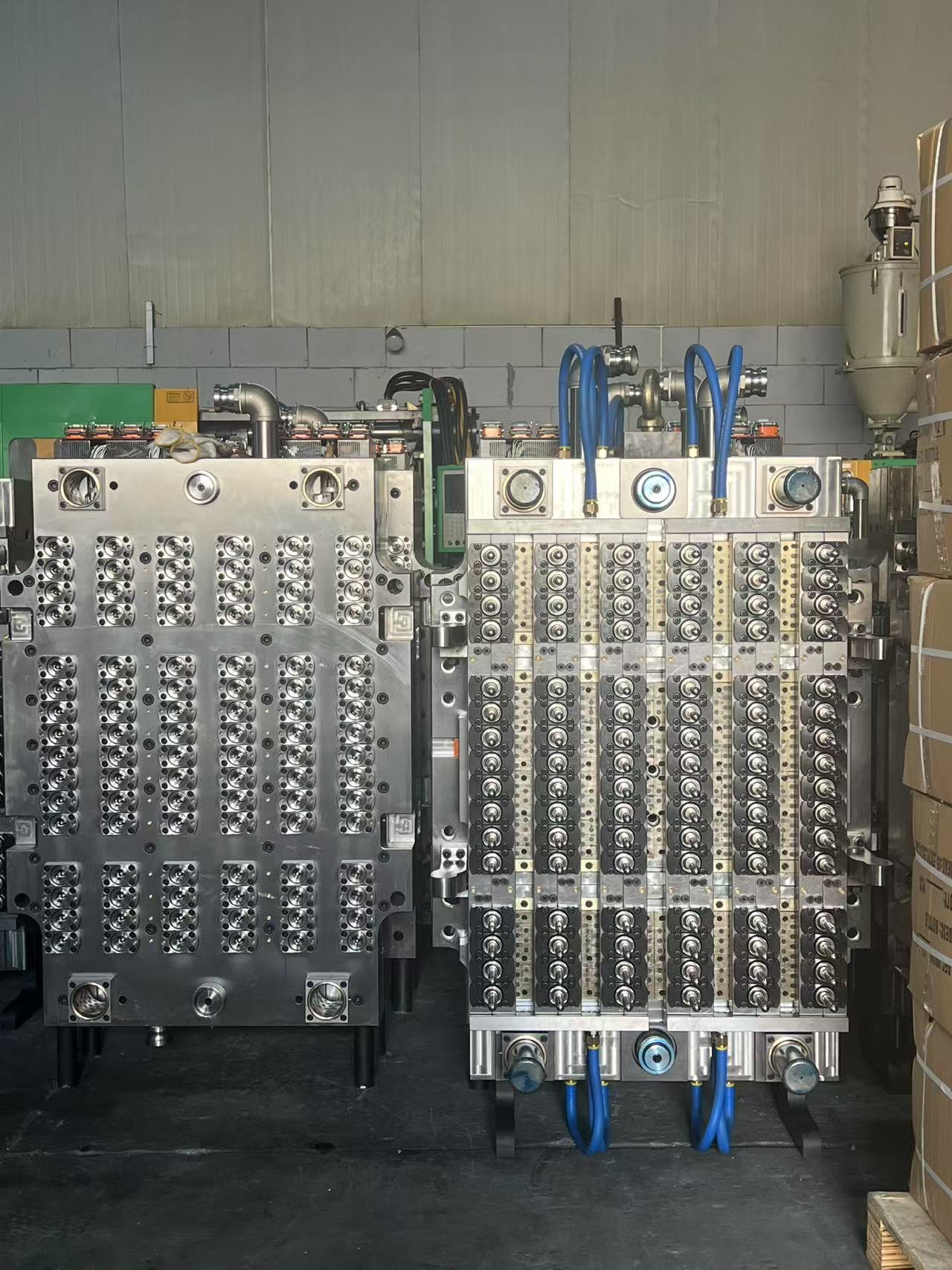
Use-case evidence: cavity count and mold footprint are validated together with shot weight, not separately.
A comparable installation illustrates the operating pattern. A bottle-making client runs 20 units of this machine class across water bottle and PET preform production over a 20-year period, and reports stable operation with low electricity consumption — the combination of factors a US buyer would want to see before committing a full line rather than a pilot unit.
Model Specification Comparison for Validation
The table below lists published parameters only. It is intended for capacity validation during supplier evaluation, not as a performance ranking.
| Model | Clamping force class | Screw barrel | Shot weight | Tie bar spacing | Motor power | Heating power | Machine weight |
|---|---|---|---|---|---|---|---|
| YJPT-260 | 260 T | 72 mm | 1,400 g | 580 x 580 mm | 42 kW | 35 kW | 9 t |
| YJPT-318 | 318 T | 77 mm | 1,900 g | 620 x 620 mm | 80 kW | 65 kW | 13 t |
| YJPT-360 | 360 T | 95 mm | 3,450 g | 680 x 680 mm | 80 kW | 65 kW | 16 t |
| YJHB-400 | 400 T | 95 mm | 3,450 g | 720 x 720 mm | 80 kW | 65 kW | 16 t |
Frame material for these models is QT500-A7 steel. The YJPT-360 and YJHB-400 share identical screw diameter, shot weight, motor power and heating power, and differ in clamping force class and tie bar spacing — a distinction that matters when the intended mold footprint is close to the platen limit.
Frequently Asked Questions
What compliance documentation should a US buyer verify before ordering a 360-ton PET preform machine?
Request the certification file and the safety reference in writing. Yongjiang holds ISO 9001 and CE certification, with current compliance recorded under certificate CE20260126MD referencing EN ISO 12100:2010, and the machine is designed to comply with the EU CE machinery safety standard. For US operation, also obtain written confirmation of the electrical configuration: the standard supply is 380/400V 50Hz three-phase industrial power with ±10% voltage fluctuation tolerance, and voltage customization is available under OEM production.
How do I confirm that a 360-ton machine fits my cavity count and shot weight?
Calculate the required shot weight by multiplying preform weight by cavity count and adding the runner, then compare it with the published 3,450 g shot weight of the YJPT-360 and check the mold footprint against its 680 x 680 mm tie bar spacing. As a neutral external benchmark, a published CIPET tender specification for a PET preform injection moulding machine requires a minimum of 32 preform cores and cavities, a minimum shot capacity of 750 g, a minimum tonnage of 150–200 T and a minimum injection pressure of 1,200 bar.
Is this machine class suitable as a PET preform injection machine for the beverage industry?
Yes, within its capacity limits. The 360-ton class is designed for PET preform projects producing preforms for water bottles, oil bottles and cosmetic containers, and the PET preform industry serves categories including bottled water, carbonated soft drinks, juices, edible oils and sauces. The machine melts dried PET pellets and injects molten plastic into multi-cavity hot runner molds under precise pressure and temperature control and runs in 24/7 continuous mode, which matches beverage preform production patterns where dust-free, food-grade output is required.
What minimum order quantity and lead time should a US buyer expect?
Yongjiang states a minimum order quantity of 1 unit and a lead time of 30–45 days, supported by a monthly production capacity of 200 units. Because a single unit can be ordered, a US buyer can validate one machine in production before committing a multi-machine line. Treat the 30–45 days as a production window and align it with freight and commissioning schedules before signing the purchase order.
Can preform quality be validated before the machine is shipped?
Quality control is defined as 100% testing one week before shipment, which creates a defined point at which a buyer can request test documentation and, where practical, sample preforms from the actual configuration. Buyers evaluating a 360-ton PET preform machine for the US market can request the current technical catalog and specification sheet, or send their preform weight and target cavity count for a configuration review before ordering.
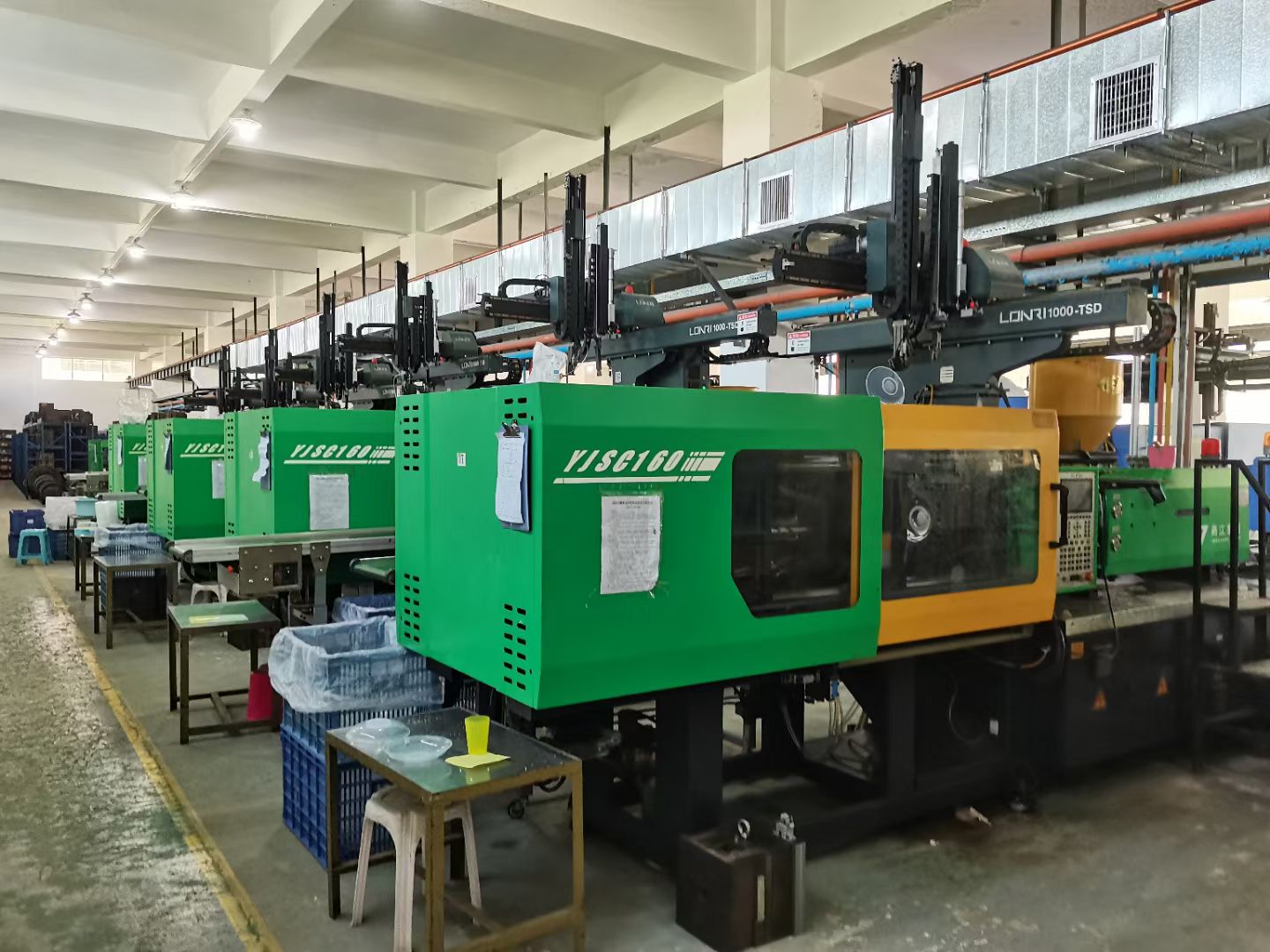
Post-shipment evidence: installations in operation are the final checkpoint of a supplier evaluation.
Conclusion: Turn the Evaluation into Four Verified Columns
Validating a 360-ton PET preform machine supplier for the USA comes down to four columns filled with evidence rather than reassurance. Machine capacity is verified against the published data sheet — 95 mm screw barrel, 3,450 g shot weight, 680 x 680 mm tie bar spacing on the YJPT-360. Capacity is then stress-tested against an independent procurement benchmark such as the CIPET tender thresholds. Compliance is verified through ISO 9001 and CE documentation referencing EN ISO 12100:2010 under certificate CE20260126MD, plus written confirmation of the electrical configuration for US operation. Supplier capability is verified through the 59% export ratio, the stated primary markets of the USA, Canada and Thailand, a 130,000 m² manufacturing base with 2,000 units of annual output, and an installation record of 20 units operating stably over 20 years.
Next step for US buyers: send your preform weight, neck finish and target cavity count, and request a configuration review against the YJPT-360 data sheet, current pricing and the 30–45 day production schedule.
Website: www.yongjiangimm.com | Email: yongjiangimm@gmail.com | Tel / WhatsApp: +86 18958305290
Download the full product catalog: Yongjiang Injection Molding Machine Catalog (PDF)
Have Questions or Need More Details?
Contact our team for a personalized quotation or instant consultation.
Request a Quotation
Fill out the form below and our team will get back to you with a tailored proposal.
WhatsApp Direct Chat
Prefer to chat in real-time? Message us on WhatsApp for instant assistance & quick answers.
- Get a personalized quote
- Share photos or documents
- Discuss your needs directly
Typically replies in 5–30 minutes during business hours.