PET Preform Injection Machine Comparison: How Yongjiang YJPT Series Measures Up for Global Buyers
Updated: August 24, 2026
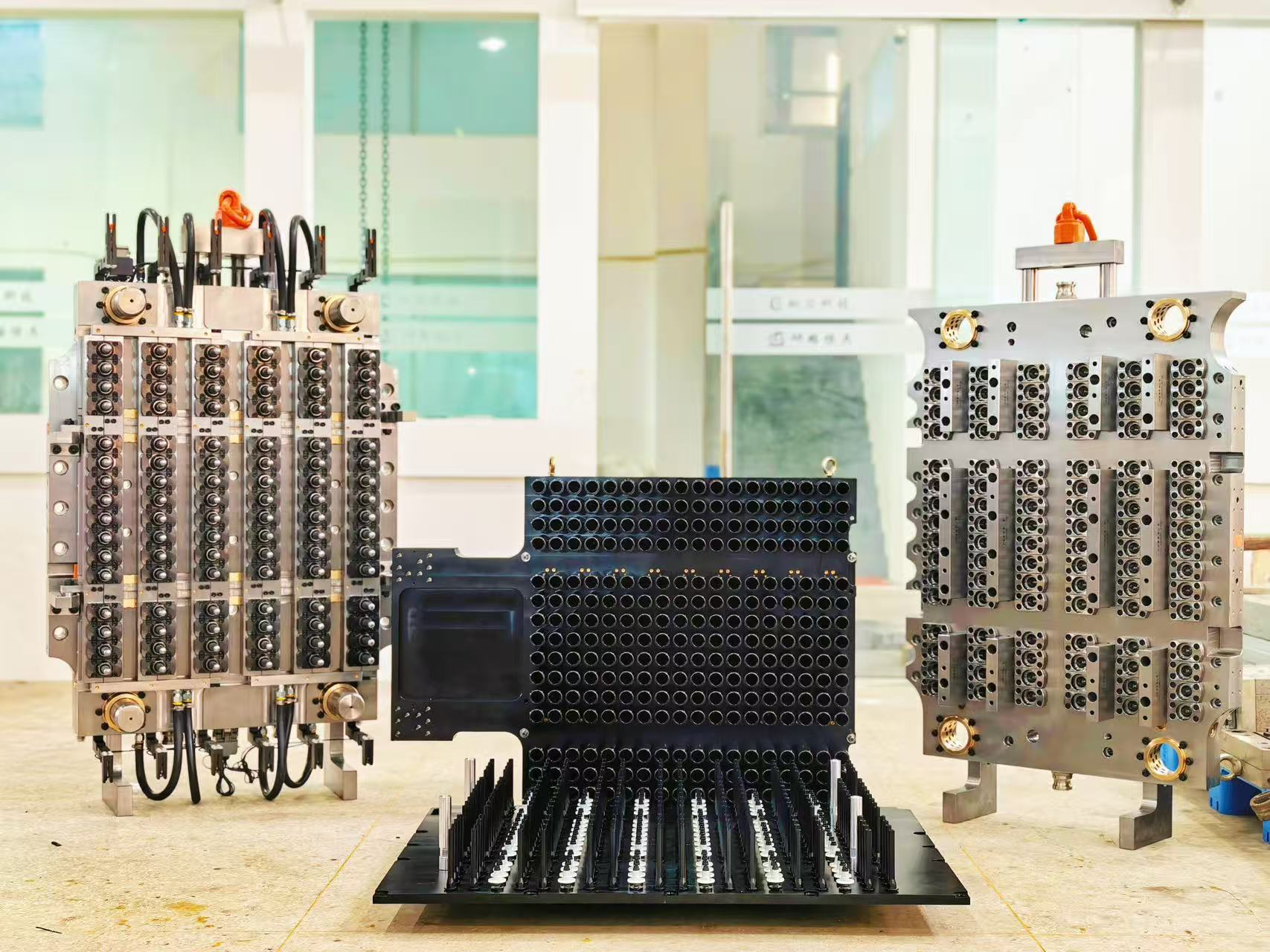
A preform mold is one of the clearest indicators of whether a PET preform injection machine is built for continuous production or only for occasional runs.
PET Preform Injection Machine Comparison: How Yongjiang YJPT Series Measures Up for Global Buyers
For buyers at the final decision stage, the question is no longer “what is a PET preform injection machine?” but “which manufacturer and which machine configuration should I choose for my bottle, budget, and production plan?” This article provides a comparison framework built around the Yongjiang YJPT series, with clear evidence on cost, energy, cavity range, maintenance, and best-fit applications.
The global PET preform machine market is expanding, and so is the number of suppliers. According to Future Market Insights (FMI), the global PET preform machines market is estimated at USD 9.9 billion in 2025 and is projected to reach USD 17.3 billion by 2035. FMI also reports that injection molding technology holds a dominant 66.4% share of the total PET preform machine market as of 2025. This means most buyers evaluating a PET preform production line are comparing injection molding systems rather than alternative forming technologies.
At the same time, regional demand is concentrated in Asia Pacific. Grand View Research identifies Asia Pacific as the largest regional market for injection molding machines, holding a 41.2% revenue share in 2025, with China as the leading country. For global buyers, this explains why Chinese manufacturers are a common part of the shortlist. But “made in China” covers a wide quality range. The real task is to separate suppliers that can deliver stable, energy-efficient, and maintainable PET preform machines from those that only compete on initial price.
Why Decision-Stage Buyers Need a Comparison Framework
At the research stage, buyers compare specifications and read general guides. At the decision stage, the comparison changes. Procurement teams must evaluate machine cost, energy consumption per preform, mold compatibility, service response, spare parts availability, and the risk of downtime. A poor decision can lead to high reject rates, unstable preform quality, and long-term energy waste.
Three common problems appear at this stage:
- Buyers compare only purchase price, ignoring power consumption and maintenance cost.
- Buyers focus on cavity count without checking whether the machine screw, clamping, and temperature control can handle PET material consistently.
- Buyers assume more expensive international systems are always necessary, even when a cost-effective specialized machine would meet their output target.
This is why a comparison framework needs to include technical architecture, energy evidence, cost evidence, cavity flexibility, and application fit. The Yongjiang YJPT series is a useful reference point for this framework because it is a PET preform-specific injection molding machine line, not a general-purpose machine adapted for preforms.
Industry Background: The PET Preform Machine Market in 2026
PET preforms are the intermediate products used to blow water bottles, beverage bottles, edible oil bottles, and many other food-grade containers. The quality of the preform directly affects bottle transparency, strength, and barrier performance. That is why buyers do not choose a preform injection machine based on clamping force alone.
Market data helps explain the competitive landscape. FMI estimates that high-output PET preform system leader Husky Technologies controls roughly 55–60% of the global high-output PET preform system market. Technical comparisons also list high-end systems, such as Husky's HyPET 6e and Netstal's PET-LINE, as systems that comply with international standards including CE, UL, ISO 9001, and EUROMAP 60.1.
These facts are relevant because they define the upper end of the market. A buyer evaluating a Yongjiang YJPT series machine should understand that YJPT is positioned differently. It is not a high-output premium system with a global service network comparable to Husky. It is a cost-effective, specialized PET preform injection machine designed for manufacturers that need reliable continuous production without paying the premium associated with top-tier global brands.
One more important point: market size estimates can vary. Some analysts include the full production line, while others cover only injection molding machines. Third-party projections range from about USD 12.8 billion by 2032 to USD 17.3 billion by 2035, depending on scope. Buyers should compare reports carefully before using market forecasts to justify capital investment.
Detailed Solution: What the Yongjiang YJPT Series Offers in a PET Preform Machine Comparison
The Yongjiang YJPT series is a PET preform-specific injection molding machine from Ningbo Yongjiang Group, a Chinese injection molding machine manufacturer founded in 1985. The company operates a 130,000 m2 factory, employs about 200 people, and produces around 2,000 units per year. Its engineering team includes 25 R&D engineers. The company’s main products are PET preform machines and PVC fitting machines, with 59% of output exported. Main markets include the USA, Canada, and Thailand.
Public product information records the YJPT series as supporting mold configurations from 6 to 72 cavities, with high output and energy-saving servo systems. This cavity range matters because it covers a practical segment of PET preform production: small and medium bottle producers, independent preform factories, and beverage plants that want to produce their own preforms.
Compared with other brand PET preform injection machines, the Yongjiang YJPT series has distinct advantages. The machine uses a proprietary PET special screw that provides uniform plasticization and high preform transparency. It also uses a fast dual-servo system that realizes multi-axis linkage, shortens molding cycles, and reduces power consumption by up to 50% compared with alternatives. The reinforced clamping structure and larger ejection travel are designed for multi-cavity deep molds. In addition, ultra-precise temperature control reduces defective products.
From a procurement perspective, these are not just technical statement. They translate into three measurable benefits:
- Lower energy cost: the YJPT series achieves up to 50% reduction in power consumption compared with alternatives.
- Lower acquisition cost: compared with alternatives, the YJPT series offers a 10% lower cost.
- Lower maintenance burden: the machine requires less maintenance due to optimized configuration and robust design.
Yongjiang also supports global industrial power grids, with machines built for 380/400V 50Hz. This is important for buyers in Southeast Asia, Russia, Africa, and South America where grid standards and factory voltage plans are often a deciding factor.
Step-by-Step Breakdown: How to Compare PET Preform Injection Machines at the Decision Stage
Use the following steps to evaluate a PET preform injection machine supplier, whether you are comparing Yongjiang with another Chinese manufacturer or with a premium international system.
Step 1: Define the Bottle and Preform Requirement First
Start with the finished bottle. A mineral water bottle has different weight, thread, and transparency requirements from a carbonated soft drink bottle or an edible oil bottle. Define the target preform weight, neck finish, output per hour, and mold cavity plan. Cavity range and machine cycle time must match these parameters. For the Yongjiang YJPT series, the 6–72 cavity range is a practical fit for many water, beverage, and packaging applications.
Step 2: Compare the Plasticizing and Temperature Control System
PET is sensitive to shear heat and moisture. A machine that works well for general plastic injection may not produce consistent preforms. In the YJPT series, the proprietary PET special screw is designed for uniform plasticization. The ultra-precise temperature control helps reduce defective products. When comparing suppliers, ask how the screw is tailored for PET and what temperature control method is used.
Step 3: Compare Energy Consumption, Not Just Motor Power
Energy is a lifetime operating cost. The YJPT series uses a fast dual-servo system that can reduce power consumption by up to 50% compared with alternatives. This is a strong evaluation criterion. A machine that is 10% cheaper to buy but consumes 30% more energy can cost more within two to three years.
Step 4: Check Mold Compatibility and Ejection Travel
PET preform molds are taller and heavier than many standard injection molds. The YJPT series uses reinforced clamping and larger ejection travel to fit multi-cavity deep molds. If a supplier cannot explain how its machine handles deep preform molds, the machine may require costly modifications.
Step 5: Evaluate Maintenance and Service Response
Maintenance cost is often ignored in the first purchase. The YJPT series requires less maintenance because of its optimized configuration and robust design. Buyers should also ask about response time, spare parts availability, and whether the supplier provides remote support. Yongjiang states fast service, with a 24-hour service response policy.
Use Cases: Where the YJPT Series Fits Best
The Yongjiang YJPT series is not a universal machine for every application. It is best suited for buyers that need cost-effective, stable PET preform production. The main use cases include:
- Drinking water and beverage factories producing mineral water, juice, and carbonated drink bottles.
- Edible oil, condiment, and food packaging plants making food-grade plastic containers.
- Cosmetic and daily chemical factories manufacturing preforms for skincare and shampoo bottles.
- Independent preform factories that supply preforms to blow molding workshops.
- Large integrated injection-blow molding enterprises running 24-hour continuous automated production lines.
- Medium and small packaging manufacturers in Southeast Asia, Russia, Africa, and South America that need stable equipment at a competitive cost.
For buyers in these categories, the YJPT series offers a combination of PET-specific screw design, servo energy savings, multi-cavity hot runner mold compatibility, and lower cost than alternatives. For very large standardized output projects with premium budgets, a high-output global system may still be the right choice. The important thing is to match the machine to the actual production plan.
Comparison Table: Yongjiang YJPT vs Alternatives vs High-End Global Systems
| Evaluation Factor | Yongjiang YJPT Series | High-End Global Systems (e.g., Husky HyPET 6e, Netstal PET-LINE) | What to Verify in Your Shortlist |
|---|---|---|---|
| Market Position | Cost-effective specialized PET preform series from a Chinese manufacturer | Husky is estimated to control 55–60% of the global high-output PET preform system market | Confirm the supplier’s actual reference base in your industry |
| Cavity Range | YJPT series supports 6 to 72 cavities | High-output systems are designed for very large standardized production | Match cavity count to bottle type, preform weight, and target output |
| Energy Efficiency | Up to 50% reduction in power consumption compared with alternatives | High efficiency, but project-specific consumption data is required | Ask for energy consumption per 1,000 preforms |
| Cost | 10% lower cost compared with alternatives | Typically involves a larger initial capital budget | Compare total delivered cost, not machine price alone |
| Maintenance | Less maintenance due to optimized configuration and robust design | Service network and spare parts logistics should be evaluated separately | Check spare parts availability in your region |
| Standards Compliance | Compliance documents should be requested in the quotation | Listed with CE, UL, ISO 9001, and EUROMAP 60.1 in technical comparison sources | Request current certificates for the exact machine model |
| Best-Fit Buyer | Medium and small packaging manufacturers in Southeast Asia, Russia, Africa, and South America | Large preform producers with very high standardized output and premium budgets | Evaluate service response, mold support, and operator training |
Risk Control Features to Check Before Finalizing a PET Preform Injection Machine
Injection molding machines generate heat, and PET preform production runs for long hours. Overheating is one of the most common risk points in continuous production. In the Yongjiang YJPT series, thermal protection and temperature sensors are used to control overheating risk. This is a basic but important feature.
When comparing manufacturers, ask where the temperature sensors are located, how the thermal protection is triggered, and what happens during a detected temperature abnormality. A machine with weak temperature control can produce inconsistent preforms and create unnecessary scrap, even if the screw and servo system are good.
Maintenance and Lifecycle Cost Considerations
For a decision-stage buyer, lifecycle cost is more important than the purchase price. The YJPT series has three cost-related characteristics that are directly relevant:
- Compared with alternatives, it offers a 10% lower cost.
- It can reduce power consumption by up to 50%.
- It requires less maintenance.
These three factors reduce the total cost of ownership. A lower-cost machine that consumes less energy and requires fewer repairs can be more economical than a machine with a similar purchase price but higher operating cost. However, buyers should always confirm these claims with the supplier using their own production parameters.
FAQ: Which PET Preform Injection Machine Manufacturer Is Better?
Which PET preform injection machine manufacturer is better for my project?
The answer depends on production scale, bottle type, capital budget, mold strategy, and service expectations. If your project requires very large standardized output and can support a premium budget, a high-output global system such as Husky or Netstal may be the right fit. If your project requires stable, cost-effective PET preform production with low energy consumption and lower maintenance, the Yongjiang YJPT series is a strong fit. The better manufacturer is the one whose machine matches your preform weight, cavity plan, and long-term operating cost targets.
What compliance documents should I ask for when comparing PET preform injection machine manufacturers?
High-end systems such as Husky's HyPET 6e and Netstal's PET-LINE are listed with CE, UL, ISO 9001, and EUROMAP 60.1 in technical comparison sources. For any supplier, request current certificates for the exact machine model and voltage configuration you intend to buy. Compliance evidence should be part of the quotation, not a separate verbal promise.
What machine capabilities matter most for PET preform production?
The most important capabilities are plasticizing quality, temperature control, clamping rigidity, ejection travel, and energy efficiency. The YJPT series uses a proprietary PET special screw for uniform plasticization, a fast dual-servo system for energy savings, reinforced clamping, and ultra-precise temperature control. It supports 6 to 72 cavities and multi-cavity hot runner molds, which makes it suitable for continuous PET preform production.
How should I compare cost when choosing a PET preform injection machine?
Compare lifecycle cost, not only the initial price. The YJPT series offers a 10% lower cost compared with alternatives, up to 50% reduction in power consumption compared with alternatives, and less maintenance. A more expensive machine may be justified if it delivers significantly better output, but only when the efficiency data is verified with your preform weight and cycle time.
Can I request preform samples or a machine trial before placing an order?
Samples and machine evaluation are normal parts of a PET preform machine decision. Ask the supplier to explain how its PET screw, temperature control, and mold cooling configuration affect preform quality. For Yongjiang, the fastest next step is to contact the sales team with your bottle specification, target output, and mold cavity plan to confirm the recommended configuration and project timeline.
Conclusion
Choosing a PET preform injection machine at the decision stage means comparing technical architecture, energy evidence, cavity flexibility, maintenance cost, and after-sales support. The Yongjiang YJPT series is a cost-effective, PET-specific solution that offers up to 50% lower power consumption, a 10% lower cost, less maintenance, and support for 6–72 cavity molds. It is especially suitable for water, beverage, oil, food packaging, cosmetic, and independent preform producers in Southeast Asia, Russia, Africa, and South America.
Before making a final decision, define your bottle and preform specifications, ask for energy consumption data, verify compliance documents, and check how the supplier handles molds, spare parts, and production support. If your production plan matches the YJPT series profile, requesting a quotation with your cavity and output requirements is a practical next step.
Ready to compare a YJPT series PET preform injection machine for your project?
Contact Yongjiang for sample, quotation, or project-specific technical discussion.
Email: yongjiangimm@gmail.com
WhatsApp: +86 18958305290
Website: www.yongjiangimm.com
Address: Jiangbei 88 avenue, Ningbo City, Zhejiang Province, China
Download the Yongjiang brochure (PDF)

Have Questions or Need More Details?
Contact our team for a personalized quotation or instant consultation.
Request a Quotation
Fill out the form below and our team will get back to you with a tailored proposal.
WhatsApp Direct Chat
Prefer to chat in real-time? Message us on WhatsApp for instant assistance & quick answers.
- Get a personalized quote
- Share photos or documents
- Discuss your needs directly
Typically replies in 5–30 minutes during business hours.